If you are drawn to places with real history, Saxonburg stands out right away. This borough has a compact historic core, recognizable architectural detail, and a village-style layout that feels different from a typical modern subdivision. If you are thinking about buying or selling here, understanding Saxonburg’s housing styles and historic character can help you make a more confident move. Let’s dive in.
Saxonburg’s Historic Roots
Saxonburg was founded in 1832 by John Augustus and Frederick Charles Roebling. That early history still shapes how the borough looks today, especially in and around the historic core.
The borough says the historic district spans most of Main Street. The National Register also identifies the Saxonburg Historic District as a listed district associated with John A. Roebling and tied to Greek Revival and Gothic Revival architecture.
What makes Saxonburg especially interesting is that its historic story does not stop with the earliest buildings. The National Register record includes periods of significance that extend through 1950 to 1974, which means the district reflects more than one era of development.
Housing Styles You May See
Saxonburg is not defined by one single home style. Instead, the historic district includes a mix of building types and architectural influences that create a layered, lived-in character.
Greek Revival and Gothic Revival Details
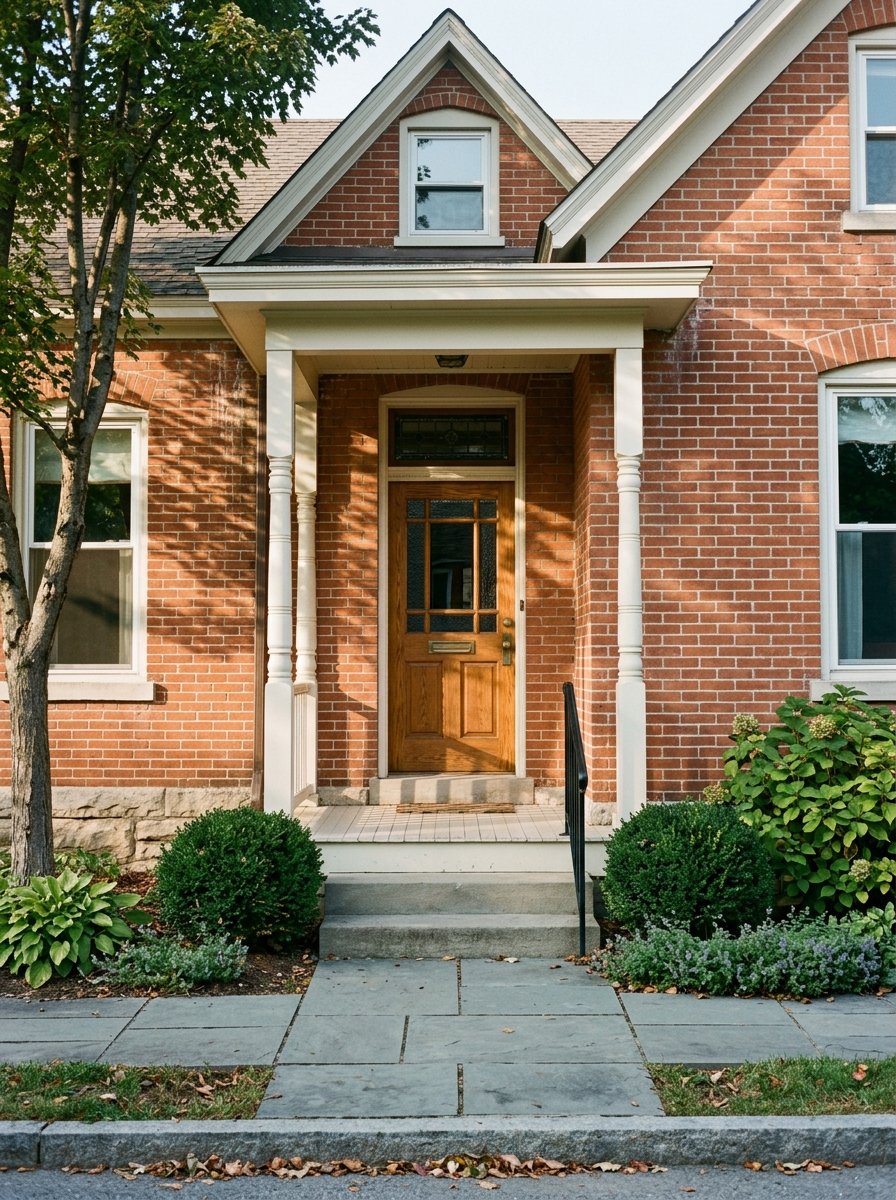
Greek Revival and Gothic Revival are the styles named directly in the National Register asset metadata. In practical terms, that means you may notice traditional proportions, older rooflines, decorative trim, and details that reflect 19th-century design influences.
Not every older home will read as a textbook example of one style. In Saxonburg, the charm often comes from the overall streetscape and the way historic details appear across different properties rather than from perfectly preserved showpiece homes.
Vernacular Homes and Village Buildings
The district documentation describes Saxonburg as a mix of modest vernacular residences, small-scale Italianate commercial buildings, a few higher-style residences, and churches. That combination gives the area a village feel rather than the look of a purely residential neighborhood.
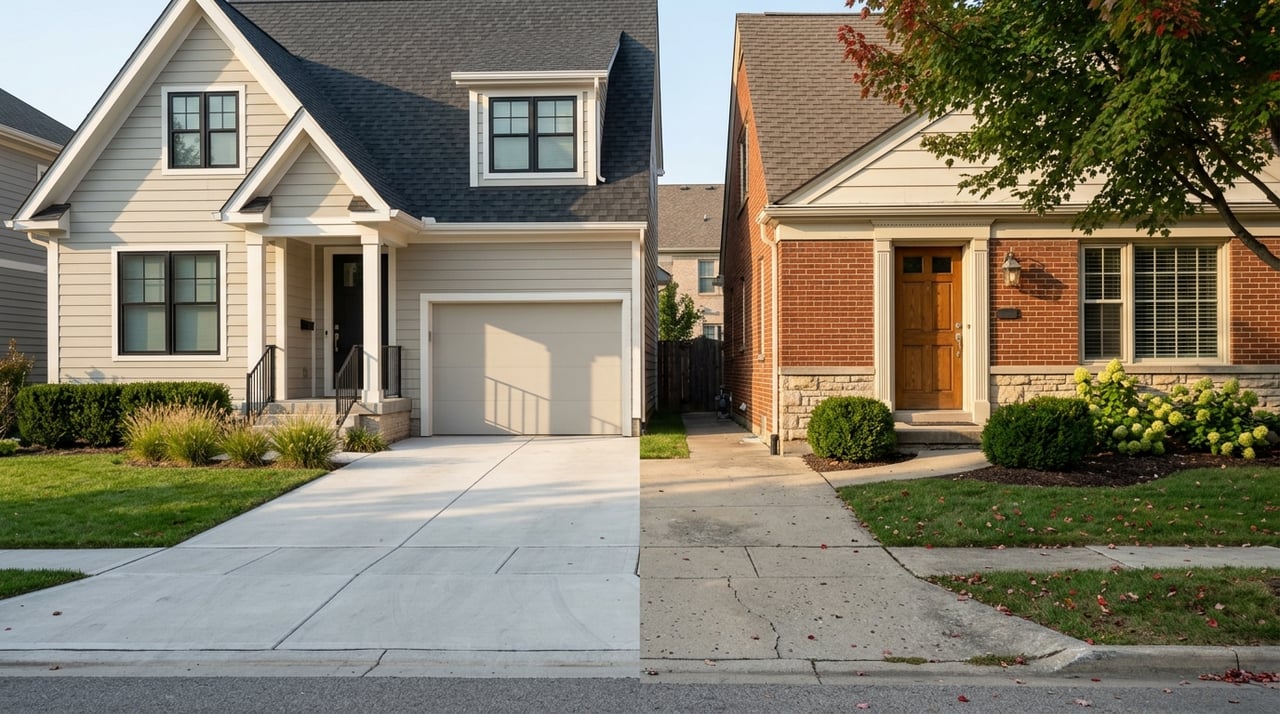
For buyers, this means the historic core can feel more varied and visually interesting than a neighborhood where every house was built around the same time. For sellers, that variety can be part of the appeal, especially for buyers who want character and a sense of place.
More Than a Museum Setting
One of the best ways to understand Saxonburg is to think of it as a historic village core, not a museum district frozen in time. The mix of homes, churches, former hotels, and commercial blocks helps explain why the borough feels active and layered instead of overly formal.
That matters because many buyers want historic charm without feeling like they are stepping into a space that is only about preservation. Saxonburg offers visible history, but it also functions as a real residential community.
Main Street Character and Lot Patterns
Saxonburg’s layout plays a big role in its identity. The original Roebling plan used a grid of streets with long, narrow lots, with homes and shops placed near the front and rear portions originally intended for agricultural use.
Over time, many parcels were subdivided into smaller, more village-scale lots. That pattern helps create the compact, walkable feel people often notice around the historic center.
Why the Streetscape Feels Distinctive
The district documentation notes that many houses still have historic porches. Some properties also include outbuildings or dependencies, and a few retain cast-iron front fences.
These details may sound small, but together they shape the experience of the street. They help create the intimate Main Street feel that gives Saxonburg so much of its visual identity.
Streets Commonly Tied to the Historic Area
If you are trying to picture where the most historic character is concentrated, start with Main Street. The borough says the historic district spans most of Main Street, and the National Register boundary includes portions of East and West Main, Rebecca, Isabella, Pittsburgh, Butler, and State streets.
For buyers, that can be a useful starting point if you are specifically looking for older architectural character. For sellers, location within or near this core may shape how your home is presented and marketed.
What Today’s Housing Stock Suggests
Historic character is a big part of Saxonburg’s identity, but the current housing stock shows that the borough is not made up only of antique homes. Census Reporter’s ACS 2024 5-year estimate shows 674 housing units, with 84% occupied.
The same data show that 59% of occupied homes are owner-occupied, and 62% of structures are single-unit homes. That points to a borough where detached housing remains a major part of the local inventory.
Historic Charm With Attainable Price Points
The ACS-based profile lists a median owner-occupied home value of $220,600. It also suggests that much of the owner-occupied inventory falls in the $100,000 to $400,000 range, with the largest shares in the $100,000 to $200,000 and $200,000 to $300,000 bands.
That is helpful context if you are trying to understand Saxonburg’s market position. The borough can be described as a place with visible historic charm that is not limited to luxury pricing.
A Mix of Historic Core and Broader Residential Areas
Taken together, the district records and current housing data suggest Saxonburg is best understood as a historic village core surrounded by a broader low-density residential borough. In other words, you can find areas where the historic setting is more pronounced and others where the housing feels more standard and detached.
That distinction can help buyers focus their search. It can also help sellers position a home accurately, whether the strongest draw is historic character, everyday practicality, or a blend of both.
What Buyers Should Know
If you are considering a home in Saxonburg, one of the biggest questions is where the property sits in relation to the historic core. Homes inside or near the Main Street historic area may offer more architectural detail and stronger village character.
Homes elsewhere in the borough may feel more like standard detached residential properties. Depending on your goals, that could mean a better fit if you want a simpler exterior style or a less historically specific setting.
Check Historic District Rules Early
The borough’s Historic Architectural Review Board exists because of the historic overlay district ordinance. In the historic district, exterior work can require a Certificate of Appropriateness review.
The borough also tells owners to check before painting, changing signage, or replacing roofs or windows. If you are buying in the district, it is smart to understand those rules early so you know how they may affect future updates.
Know the Borough’s Residential Pattern
Saxonburg borough code centers on single-family and two-family dwellings as the principal detached residential building types on zoned lots. That helps keep most residential areas low-density.
For buyers, this offers useful context about the general feel of the borough. It also helps explain why Saxonburg is often experienced as a small, established residential community rather than a higher-density development pattern.
What Sellers Should Highlight
If you are selling a home in Saxonburg, your property’s story matters. Buyers looking here may respond to features that connect the home to the borough’s broader identity, such as porches, lot layout, period details, or proximity to the historic core.
That does not mean every listing should be framed as a historic property. It means your marketing should match what the home actually offers, whether that is original character, a village-style location, or the appeal of a detached home in a low-density borough.
Focus on Character and Context
In a place like Saxonburg, buyers may pay attention to more than square footage alone. Streetscape, architectural detail, and setting can all shape how a home is perceived.
Clear listing photos, thoughtful property descriptions, and strong local context can help buyers understand what makes a home stand out. This is especially important when a property sits near the historic core or includes older design features that deserve explanation.
Why Local Guidance Matters
Saxonburg is the kind of market where small details can make a big difference. A home on or near the historic streets may raise different questions than a detached home elsewhere in the borough.
That is why local, practical guidance matters. When you understand how style, location, and historic review rules intersect, it becomes much easier to price, market, or shop for a home with confidence.
If you are thinking about buying or selling in Saxonburg, working with a neighborhood-focused agent can help you sort through those details without adding stress to the process. To talk through your next move, schedule a free consultation with Michele Trabbold.
FAQs
Which streets in Saxonburg have the most historic character?
- The borough says the historic district spans most of Main Street, and the National Register boundary includes portions of East and West Main, Rebecca, Isabella, Pittsburgh, Butler, and State streets.
Are most homes in Saxonburg detached homes?
- Current ACS-based data show that 62% of structures in Saxonburg are single-unit homes, which suggests detached housing makes up much of the borough’s inventory.
Are all older homes in Saxonburg part of the historic district?
- Not necessarily. Saxonburg has a historic core centered around Main Street, but the borough also includes broader low-density residential areas with more standard detached housing.
Can you freely update the exterior of a home in Saxonburg’s historic district?
- Not always. In the historic district, exterior work can require Historic Architectural Review Board review and a Certificate of Appropriateness, and the borough advises owners to check before changes such as painting, roof replacement, window replacement, or signage updates.
Is Saxonburg only for buyers looking for luxury historic homes?
- No. ACS-based housing data suggest owner-occupied homes commonly fall in the $100,000 to $400,000 range, with the largest shares in the $100,000 to $200,000 and $200,000 to $300,000 bands.