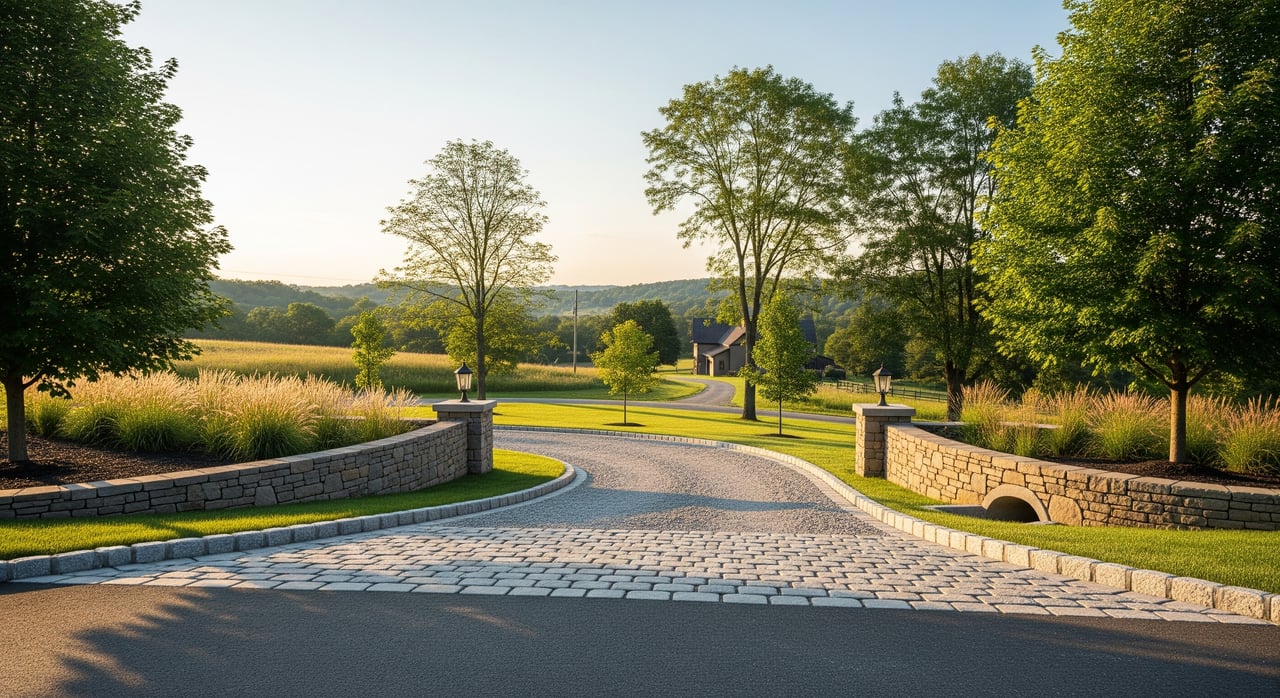
Are buyers judging your Cabot property the moment they turn in? In rural Butler County, they notice more than the house. Driveway condition, drainage, and easy access set the tone for the entire showing. If a buyer sees ruts, standing water, or a blocked culvert, confidence drops fast.
You want a smooth, low-stress sale. The good news is you can tackle practical fixes that make a big impact without a major remodel. In this guide, you’ll learn how to improve grading, tune up your driveway, care for culverts, and confirm any permits if your access meets a state route. Let’s dive in.
Why access matters in Cabot
Rural properties in Cabot and greater Butler County are judged on both appearance and function. Buyers look for a driveway that feels solid and safe year-round. They also keep an eye out for soggy yard corners, erosion along edges, and pooled water that might hint at bigger drainage issues.
Local conditions make this especially important. In western Pennsylvania, runoff from fields and roads, saturated spring soils, and concentrated flows from roadside ditches can wear down gravel drives and create recurring soft spots. Clearing these issues before showings boosts perceived value and reduces buyer hesitation.
Grading and drainage basics
Slope water away from the house
Your first goal is to move surface water away from your foundation and primary access. A gentle slope away from the house for the first several feet helps prevent ponding near the foundation and along walkways. This simple grading step also reduces muddy areas buyers will notice on approach.
Maintain swales and shallow ditches
Open, gently sloped swales carry runoff without causing erosion. Keep them clear and avoid abrupt drop-offs that concentrate flow. Look for areas where water leaves the road or field and crosses your property. A smooth path for water lowers the chances of washouts and ruts.
Extend downspouts and roof runoff
Downspouts that discharge near a driveway or foundation can create soft spots and puddles. Add extensions, splash blocks, or short buried drains so roof water exits well away from travel paths and the house. This is a quick fix with an outsized impact on showability.
Add crown or cross-slope to the drive
A slight crown or cross-slope sheds water off the driving surface instead of down the tire tracks. This helps prevent rutting and loss of stone. If the surface is flat or dished, water will sit and weaken the base.
Quick, low-cost show fixes
- Regrade small low spots and compact the soil. Add topsoil, seed, and straw where buyers are likely to look.
- Install or extend downspout extenders if roof runoff hits the driveway.
- Place clean gravel in soft wheel tracks and re-compact if possible.
When to call a professional
If you have persistent standing water near the foundation, widespread saturation, or complex flow coming from neighboring parcels, bring in a civil engineer, landscape contractor, or the county conservation district. Bigger changes often benefit from expert guidance to avoid future issues.
Driveway surface and edges
Common rural surfaces in Cabot
You’ll see many gravel and crushed stone driveways in rural Butler County, with some macadam or asphalt on higher-traffic lanes. Gravel is typical and looks great when edges are neat and the surface is even. A tidy approach signals good stewardship and reliable access.
Define and protect the edges
Set clean boundaries along the driveway to keep gravel in place and reduce washouts. Options include a compacted shoulder of lighter stone, timber or stone edging, or well-mowed grass edges. Trim low branches and brush so the drive is easy to navigate and inspect.
Surface tune-up checklist
- Grade and recompact ruts before photos and showings.
- Add a fresh layer of crushed stone or driving surface aggregate where thin.
- Fill and smooth potholes, then level transitions at gates or where your drive meets the road.
- Clear debris so the entrance looks open and inviting. Move farm equipment out of the immediate sightline.
Improve safety and visibility
Add reflective markers at the entrance if the approach is shaded or set back. Keep sight lines clear of vegetation so visitors can enter and exit safely. Clean sight lines also align with common expectations for access near public roads.
Culvert care and responsibility
Why culverts matter
Culverts carry water under your driveway where it crosses a ditch or low area. If a culvert plugs or is undersized, you may see washouts, shoulder collapse, and flooding across the driving surface. Buyers notice these risks, and lenders and inspectors may flag them.
Routine inspection steps
- Check both ends after storms for debris, sediment, and nests.
- Remove blockages and clean accumulated sediment from inlets and outlets.
- Look for sagging, misalignment, corrosion, or crushed sections.
- Replace or extend aging pipes where needed. Consider simple headwalls or energy controls if recommended by a professional.
Sizing and replacement
Culvert size depends on drainage area and storm design. Materials vary, and lifespan depends on exposure and installation. Avoid guessing on larger replacements. For meaningful upgrades or complex sites, consult local authorities or an engineer for guidance.
Who maintains the culvert
Responsibility depends on location. Culverts within a public right-of-way may be maintained by the roadway authority. Culverts entirely on private property are typically the landowner’s responsibility. Verify with the township roadmaster or the appropriate state office before you replace or alter any culvert.
Permits on state and local roads
When PennDOT permits apply
If your driveway connects to a state route, a PennDOT driveway or entrance permit is typically required for new or modified access. Changes that can trigger a permit include relocation, widening, grade changes, or drainage tie-ins. Confirm whether a permit was issued for your current access and ask if planned changes require a new review.
Township or county roads
For driveways that meet a township or county road, check with the local road department. Standards and requirements vary, and a quick call prevents surprises during buyer due diligence.
Timing and paperwork
Permit timelines vary, so allow lead time if you plan improvements before closing. Keep copies of permits, as-built drawings, and inspection records with your seller disclosures. Organized documentation reassures buyers and keeps your transaction on track.
Pre-showing action plan
Tackle the highest-impact items first to improve curb appeal fast.
High priority
- Walk the driveway and access route. Fill ruts and low spots with compacted gravel.
- Clear ditch inlets and culvert ends so water flows freely.
- Extend downspouts away from the driveway and foundation.
- Trim vegetation to open sight lines and clean the look.
- If your drive meets a state route, confirm whether a PennDOT permit exists or if changes will require one.
Medium priority
- Regrade small swales and fill shallow depressions. Seed and cover exposed soil.
- Add defined edging at the driveway entrance to show a maintained boundary.
- Place reflective posts at the entrance if visibility is limited.
Long-term or pre-list inspection
- Document culvert condition and any prior work. If you see corrosion, sagging, or undersizing, get quotes and a professional recommendation.
- If grading or drainage changes may affect public roads or neighbors, coordinate with the township or the appropriate state office and secure required permits before substantial repairs.
Printable showing-day checklist
Use this quick list to prep right before buyers arrive.
- Walk approach and driveway:
- Remove debris and visible trash.
- Fill potholes and re-level wheel tracks with compacted stone.
- Place reflective posts at the driveway entrance if needed.
- Drainage and culverts:
- Clear culvert ends and any inlet or outlet debris.
- Extend gutter downspouts away from the driveway and foundation.
- Remove leaves and vegetation from roadside ditches along your frontage.
- Grading and yard edges:
- Regrade and seed small eroded areas. Cover fresh soil with straw.
- Mow and edge grass along the driveway and access route.
- Documentation and permits:
- Gather copies of any permits or notes from township or state contacts.
- Keep a contact name and number handy for culvert or road questions.
- Safety and appearance:
- Ensure gates open easily. Clean and repaint if rusty.
- Park equipment out of sight and away from the approach path.
Local resources to contact
- PennDOT district office for driveway and entrance permit questions on state routes.
- Your township office or roadmaster for specifications on township roads and culverts.
- Butler County government or road department for county-road guidance.
- Butler County Conservation District or state environmental offices for erosion and sediment control guidance.
- Penn State Extension or USDA NRCS for homeowner-friendly tips on driveway design, grading, and erosion control.
- Local licensed contractors or civil engineers for quotes and stamped plans when required.
Ready to list with confidence?
A smooth, well-drained approach helps buyers feel good about the whole property. If you want a simple plan to get market-ready, you can lean on a clear checklist, practical staging guidance, and polished marketing that shows your home at its best. When you are ready to talk strategy, schedule a Free Consultation with Michele and her team at Unknown Company. We will help you prioritize fixes, coordinate resources, and present your property with confidence.
FAQs
Do Cabot buyers really care about driveways?
- Yes. In rural Butler County, driveway condition, drainage, and year-round access strongly influence buyer impressions and perceived value.
What quick fixes make the biggest impact before showings?
- Regrade and compact ruts, add gravel to soft tracks, extend downspouts, clear culverts and ditches, and trim driveway edges for clean sight lines.
How do I know if I need a permit for my driveway?
- If your access meets a state route, contact the appropriate state office to confirm whether a driveway or entrance permit is required for new or modified access. For township or county roads, check local requirements.
Who is responsible for the culvert under my driveway?
- It depends on location. Culverts in a public right-of-way may be the road authority’s responsibility, while culverts on private property are generally the owner’s responsibility. Verify before you make changes.
Should I hire an engineer for drainage or culvert work?
- For minor regrading and cleanouts, a competent contractor may be enough. For replacements, significant grading changes, or work that affects public drainage, consult an engineer or the conservation district for guidance.