If your home has started to feel bigger than your needs, you are not alone. Downsizing in Sarver can bring relief, lower upkeep, and a simpler next chapter, but it also comes with a lot of moving parts. The good news is that a clear plan can make the process feel much more manageable. Let’s walk through the steps that can help you downsize with less stress and more confidence.
Start With Your Timeline
One of the biggest mistakes homeowners make is waiting too long to plan. According to AARP’s move-planning guidance, giving yourself about a year can make it easier to find your next home and clear out your current one without feeling rushed.
That matters in Butler County, where market data points to a market that rewards preparation. Public reports show different numbers for pricing and days on market, but the consistent takeaway is that sellers should plan for realistic pricing and a flexible timeline rather than assume a quick sale. In other words, starting early gives you more options.
Define What Downsizing Means for You
Downsizing is not just about moving into a smaller house. It is also about deciding what kind of lifestyle you want next. You may want less yard work, fewer stairs, a simpler layout, or lower monthly costs.
Before you sort a single closet, think about your goals for the next home. Make a short list of what you need, what you want, and what you are ready to leave behind. That list will help guide every decision that follows.
Declutter in Small Stages
Trying to sort everything at once can feel overwhelming. AARP recommends starting with the least-used rooms first, which helps you build momentum before you reach more emotional spaces like bedrooms or family rooms.
A simple system can keep the process moving. Use categories like:
- Move
- Sell
- Donate
- Toss
- Pass Along
- Up for Grabs
This approach makes each item easier to handle. Instead of asking yourself whether to keep everything, you are simply deciding where it belongs.
Measure Before You Move
One of the smartest downsizing steps is also one of the easiest to overlook. Before you commit to bringing furniture or large belongings, measure them and compare them to the space in your next home.
AARP specifically recommends measuring what will move so you can make sure it fits. This can save you from paying to move pieces that will not work in the new layout. It also helps you identify early which items to sell, donate, or give to family.
Build a Realistic Budget
A smooth downsize depends on more than sale price alone. The Consumer Financial Protection Bureau recommends budgeting for mortgage payments, taxes, insurance, maintenance, moving costs, repairs, improvements, and other upfront expenses.
If you are selling one home and buying another, keep closing costs in mind too. CFPB says closing costs typically range from 2% to 5% of the purchase price. Having a full budget early can help you avoid surprises and make better decisions about timing.
Plan the Sell-Then-Buy Sequence
For many homeowners, the most practical path is selling the current home before buying the next one. CFPB notes that this is the normal sequence for people who are moving, and it can make budgeting much clearer.
That does not mean the process is simple. You still need to think through where you will go between closings, how much flexibility you need, and how the timing of both transactions will work together. A step-by-step plan can make this part of the move much less stressful.
Prep Your Sarver Home for the Market
When you are downsizing, it is easy to wonder how much work to put into your current home before listing it. In most cases, a focused prep plan makes more sense than a major renovation.
The National Association of Realtors 2025 staging snapshot found that 83% of buyers’ agents said staging makes it easier for buyers to visualize a property as a future home. The most commonly staged rooms were the living room, primary bedroom, and dining room.
That is a strong case for concentrating your effort where buyers notice it most. Instead of redoing everything, focus on cleaning, reducing clutter, making needed minor repairs, and improving the presentation of the home’s most visible spaces.
Focus on the Most Important Rooms
If you want to keep prep manageable, start with the spaces buyers tend to notice first:
- Living room
- Primary bedroom
- Dining room
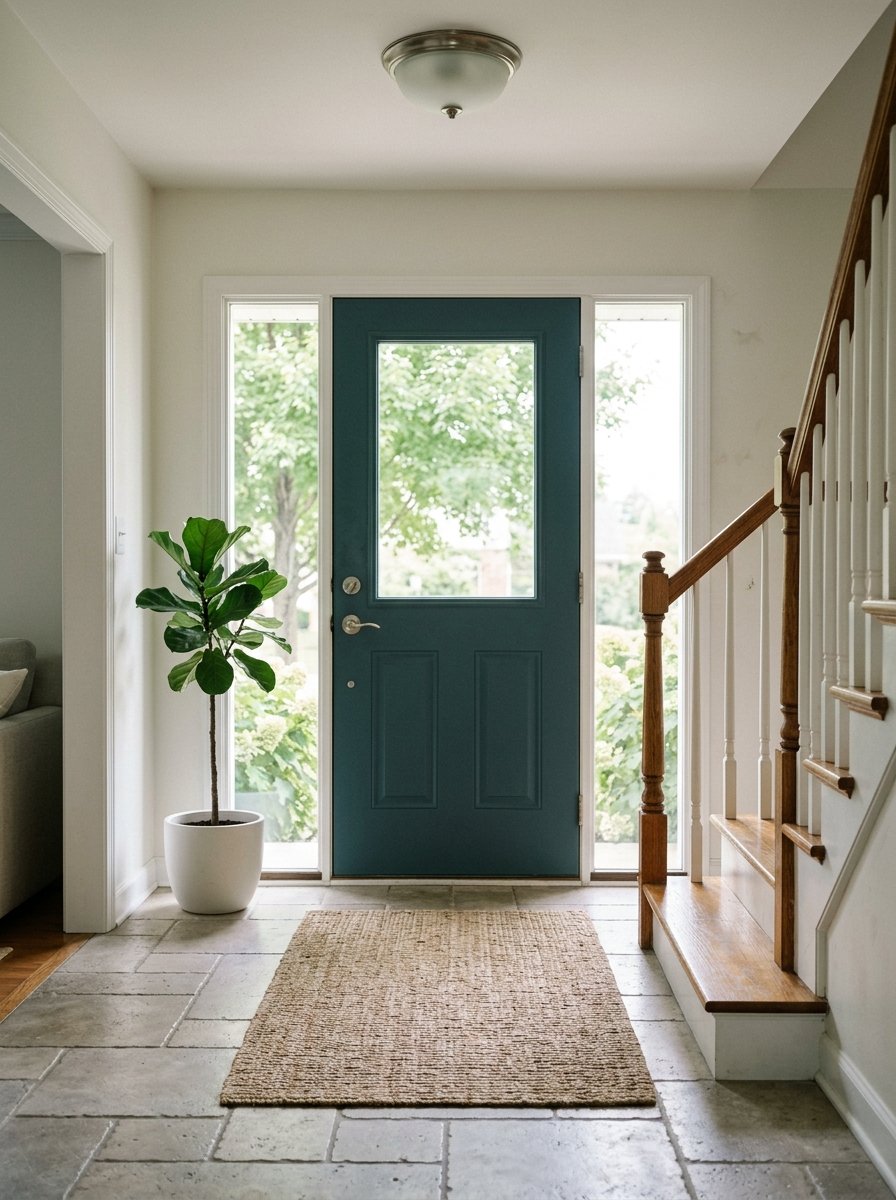
- Entry area
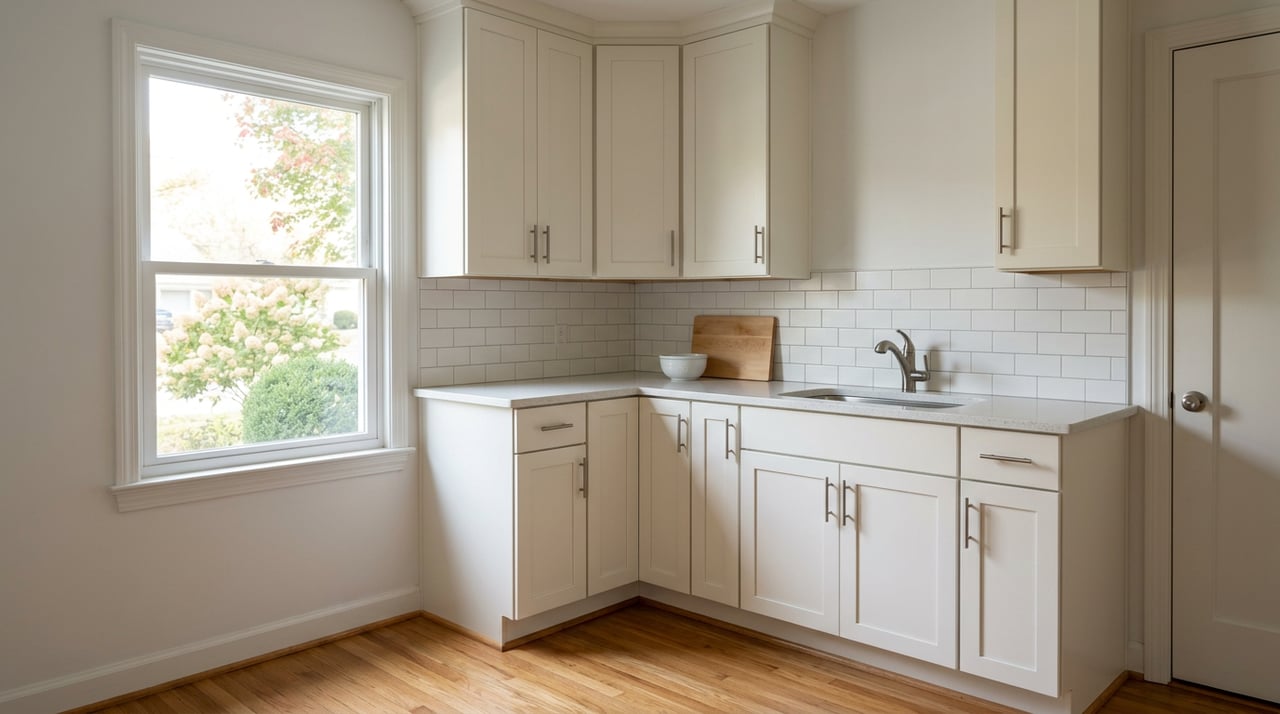
- Kitchen counters and visible surfaces
A clean, well-edited home can feel more inviting and easier to picture living in. That is especially helpful when your goal is a low-stress sale with fewer days of disruption.
Price for Today’s Market
Because public market sources use different methods, it is best to avoid relying on one exact county-wide price point. What the current Butler County data does support is a balanced market where preparation, realistic pricing, and patience matter.
For Sarver homeowners, that means pricing your home based on current conditions and comparable properties, not just on what you hope it will bring. A thoughtful pricing strategy can help attract serious buyers and reduce the risk of sitting on the market longer than expected.
Get Support if You Need It
Downsizing often involves more than packing boxes. You may need help sorting, organizing, coordinating movers, or managing the emotional side of leaving a longtime home.
AARP notes that a senior move manager may be able to help with planning, sorting, packing, storage, mover coordination, cleaning, repairs, and even finding a broker. Locally, the Butler County Area Agency on Aging serves more than 28,000 residents age 60 and older and provides services intended to help older adults remain independent in the community.
That kind of support can make a real difference, especially if you are balancing health needs, family schedules, or a tight timeline.
Prepare for Closing Details
As your move gets closer, paperwork and logistics start to matter just as much as decluttering. In Butler County, the Recorder of Deeds records deeds and other real estate documents.
You should also be aware that Pennsylvania’s realty transfer tax is 1%, and the state says an additional local realty transfer tax is often collected as well. Since the exact total can vary, it is smart to confirm the amount with your title company or closing agent before settlement.
Line Up Address Changes Early
Moving is easier when your account updates are not left for the last minute. USAGov’s address change guidance recommends changing your address through USPS or at your local post office, and it warns that third-party services may charge for something USPS handles directly.
After a move, you may also need to update:
- Federal tax records
- Social Security information
- Vehicle registration
- Voter registration
A simple checklist can help you stay organized and avoid missing something important after closing.
Check Local Financial Relief Programs
If you are an older homeowner, downsizing may also be a good time to review programs that can help reduce housing-related costs. Pennsylvania’s Property Tax/Rent Rebate Program includes eligible applicants age 65 and older, widows and widowers age 50 and older, and people with disabilities age 18 and older, with income limits up to $48,110.
The current state page says the filing deadline is June 30, 2026, and free in-person help is available at senior centers and Area Agencies on Aging. If you qualify, this is worth looking into as part of your overall downsizing budget.
Keep the Process Simple
Downsizing in Sarver does not have to happen all at once. The calmest moves usually start early, follow a clear plan, and focus on the steps that matter most: decluttering in stages, budgeting carefully, preparing the home for sale, and planning ahead for closing and move-day logistics.
If you want a low-stress plan for selling your current home and moving into the next chapter, Michele Trabbold can help you map out the process with clear guidance, local insight, and practical next steps.
FAQs
How early should you start downsizing before moving in Sarver?
- AARP recommends allowing about a year when possible so you have time to find the next home and clear out the current one without feeling rushed.
What is the best way to declutter before downsizing in Sarver?
- A practical approach is to start with least-used rooms and sort items into simple categories like Move, Sell, Donate, Toss, Pass Along, and Up for Grabs.
Should you sell your current home before buying another home in Sarver?
- According to CFPB, people who are moving normally sell their current home before buying another one, which can help make budgeting and timing more manageable.
What rooms matter most when staging a home for sale in Butler County?
- NAR’s 2025 staging report highlights the living room, primary bedroom, and dining room as the most commonly staged spaces.
What closing costs should you plan for when buying after downsizing in Sarver?
- CFPB says closing costs typically range from 2% to 5% of the purchase price, and buyers should also budget for taxes, insurance, maintenance, moving costs, and upfront expenses.
Where should you change your address after moving from Sarver?
- USAGov recommends changing your address through USPS or at a local post office, then updating records like taxes, Social Security, vehicle registration, and voter registration.