If you are looking for more space, a quieter pace, and a home market that feels established instead of overbuilt, Cabot may be worth a closer look. Many buyers want that balance of everyday calm and practical access, but it can be hard to tell if a small community truly fits your lifestyle. In this guide, you will get a clear picture of what daily life and housing look like in Cabot, Butler County, so you can decide whether it matches your next move. Let’s dive in.
What everyday life feels like in Cabot
Cabot has a small, low-density feel that stands out right away. ZIP code 16023 covers 26.13 square miles and has 3,987 residents, which works out to about 153 people per square mile. That spread gives the area a more open, less crowded feel than many suburban neighborhoods.
The area also trends quieter in its day-to-day rhythm. The median age is 53, and households without children outnumber households with children by 80% to 20%. That does not define every household, of course, but it does help explain why Cabot often feels calm and settled.
Cabot has long-standing local roots
Cabot is not a newly created community. According to Winfield Township, the area was founded in 1806 near Bear Creek, was first called Carbon Black, and was renamed Cabot in 1907. That kind of history gives the area an established identity that many buyers appreciate.
For you as a buyer, that can mean a community with a more rooted, lived-in feel. Instead of rows of brand-new development, the setting is shaped by years of steady growth and long-term residency. That often appeals to buyers who want character and continuity in everyday surroundings.
Township services shape daily routines
Daily life in Cabot is organized more around township and county systems than a dense town-center setup. Winfield Township lists services such as volunteer fire companies, Pennsylvania State Police, ambulance, sewage, recreation, and tax collection. That gives you a sense of how the area functions on a practical level.
This matters because lifestyle is about more than the house itself. In Cabot, the day-to-day experience is tied to local service networks, road access, and open space rather than tightly packed retail or walkable blocks. For many buyers, that is exactly the appeal.
Outdoor options support a simple lifestyle
Cabot offers a modest but useful recreation base. Winfield Township highlights Winfield Township Community Park and the Butler Freeport Trail as local outdoor resources. These spots help support the kind of routine many buyers want in a lower-density area.
That might look like a walk, a bike ride, or an easy outdoor outing close to home. The recreation options are not about a major entertainment hub. Instead, they support a quieter lifestyle built around everyday usability.
Cabot housing is stable and owner-heavy
One of the clearest signals in Cabot’s housing profile is stability. Of 1,644 occupied housing units in ZIP code 16023, about 74% are owner-occupied and about 26% are renter-occupied. About 47% of owner-occupied homes are owned free and clear.
That mix points to a market with many long-term owners. It can also suggest a more settled neighborhood feel, especially when combined with the area’s relatively low vacancy rate of about 5.8% of total housing units. For buyers, that usually means inventory may feel more limited than in a faster-turnover market.
What kinds of homes you may find
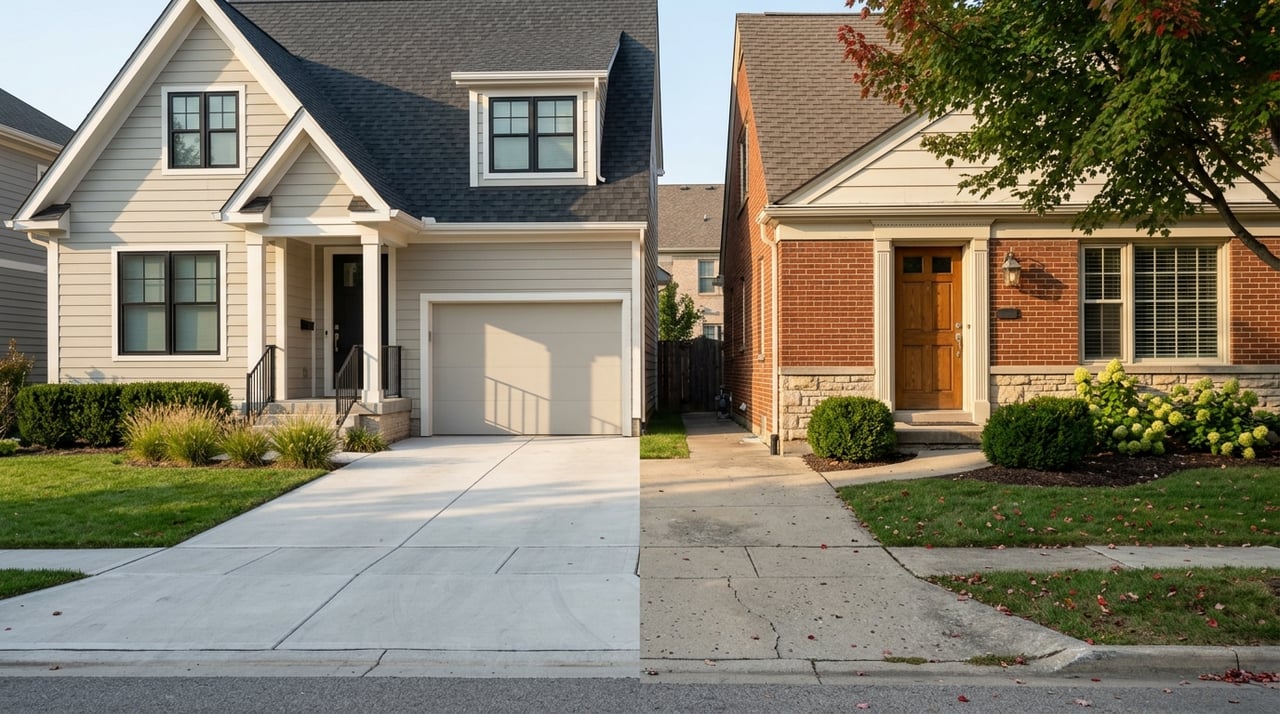
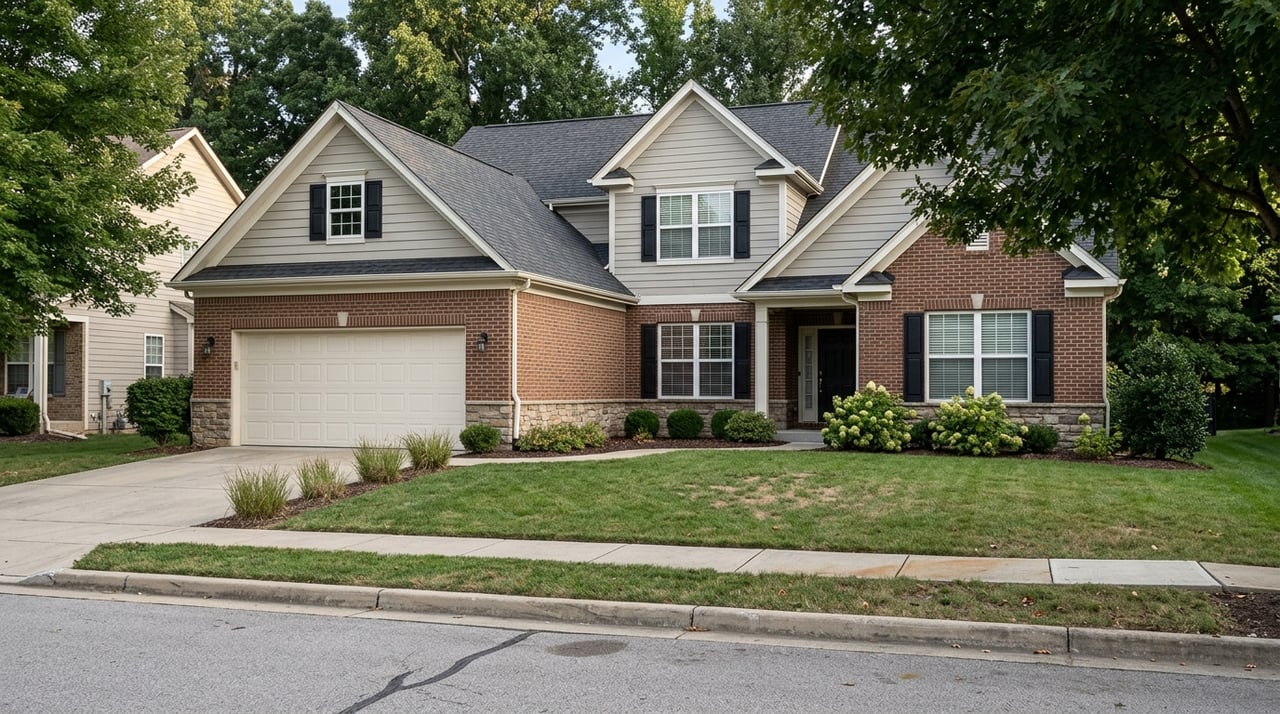
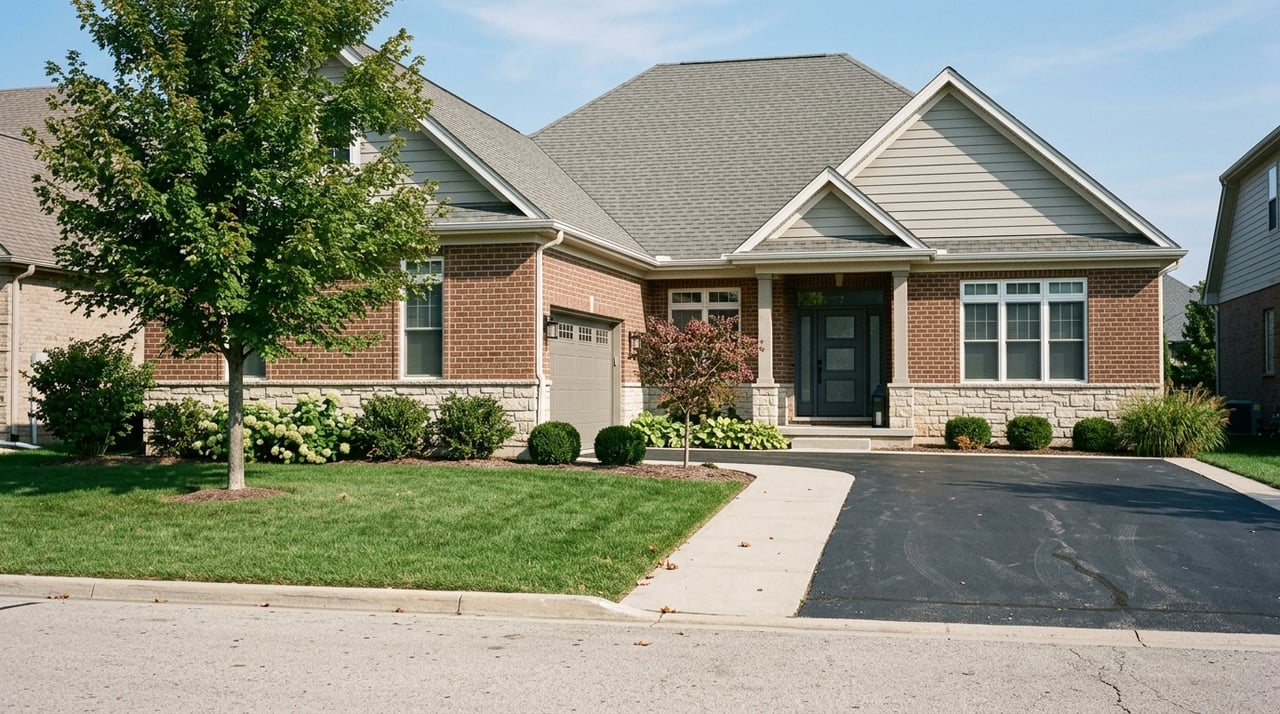
Cabot’s housing stock leans toward late-20th-century construction. The largest year-built groups in the ZIP code are the 1980s and 1990s, with additional homes built in the 2000s and some older pre-1980 homes as well. That creates a market with a mix of established properties rather than one dominant wave of new construction.
If you are shopping here, you may want to expect mature lots, more variation in home style, and homes that may reflect different update levels. In other words, Cabot is better understood as an established housing market than a brand-new subdivision market.
Rental options are part of the mix
While Cabot is mostly owner-occupied, rental housing is still part of the local picture. The ZIP-level housing profile notes that rentals most commonly have two bedrooms, and rental options may include apartments, townhouses, and primary residences. That can be useful if you are relocating, downsizing, or planning a move in stages.
For some buyers, that also matters from a planning standpoint. If you need flexibility before buying, or if you are comparing ownership with renting, it helps to know that the area is not limited to one housing type.
Home values in Cabot
Cabot sits in a middle-market price range based on the ZIP-level data. The median home value is $249,400, and the median household income is $83,704. Owner-occupied home values are most concentrated in the $200,000 to $299,999 range, followed by the $300,000 to $399,999 range.
That pricing pattern can be helpful if you are trying to match your budget to local expectations. Buyers looking in the middle market may find Cabot especially worth considering, particularly if they want more space and a more established setting.
Schools and district coverage
Cabot is served by the Knoch School District. The district says it serves Clinton, Jefferson, Penn, and Winfield Townships, along with Saxonburg Borough, and enrolls about 2,050 students across roughly 100 square miles of rural living. The district officially became Knoch School District on July 1, 2022.
From a home search perspective, this gives you useful context about the area’s school footprint. It is a broad district geography that reflects the region’s rural and semi-rural character rather than a compact urban layout.
Regional access is part of Cabot’s appeal
A quieter location does not mean total isolation. Knoch School District notes the area’s proximity to Butler and Pittsburgh, which helps explain why Cabot can appeal to people who want both space and access. The district also identifies PA Routes 8, 28, 356, and 228, along with US Route 422 and Interstates 76 and 79, as key travel routes.
That road network matters if your daily life includes commuting, errands in nearby towns, or regular travel across the region. It supports a lifestyle where privacy and elbow room do not have to mean being disconnected.
Commuting in Cabot
Cabot is a car-oriented area, and the available data supports that clearly. Vehicles are the most common commute mode in the ZIP code, while work-from-home is more common than the national average. That combination fits well with the area’s lower-density layout.
For you, that means it is smart to think through drive times and routine destinations when searching here. Cabot may work especially well if you want quieter surroundings but still need practical access to work or nearby communities.
Who Cabot may fit best
Cabot can be a strong fit if you want a rural or semi-rural lifestyle with a stable housing base. The combination of owner-heavy housing, low density, township services, and regional road access creates a lifestyle that feels steady and practical. Many buyers are drawn to exactly that balance.
You may want to look more closely at Cabot if you are searching for:
- More space between homes
- An established, lower-turnover housing market
- Middle-market home values
- Access to Butler and the wider Pittsburgh highway network
- A quieter daily environment with local park and trail options
It may be less ideal if your top priority is a dense retail corridor, highly walkable errands, or a large supply of brand-new homes. Knowing that up front can help you narrow your search with more confidence.
What to keep in mind as a buyer
If you are considering Cabot, it helps to approach the market with realistic expectations. A lower vacancy rate and strong owner-occupancy share can mean fewer available homes at any given time. That makes preparation important when the right property comes up.
It also helps to think beyond the listing photos. In Cabot, factors like lot size, road access, home age, update level, and commuting patterns can shape your day-to-day experience just as much as square footage. A local, neighborhood-focused strategy can make that process much less stressful.
Whether you are buying your first home, making a move for more space, or planning a downsize into a quieter setting, Cabot offers a distinct kind of value. If you want help comparing homes, understanding neighborhood patterns, or building a smart plan for Butler County, Michele Trabbold can help you move forward with clear guidance and a low-stress approach.
FAQs
What is everyday life like in Cabot, PA?
- Cabot has a quieter, lower-density feel, with 3,987 residents across 26.13 square miles and about 153 people per square mile in ZIP code 16023.
What types of homes are common in Cabot, PA?
- Many homes in Cabot were built in the 1980s and 1990s, with additional housing from the 2000s and some older pre-1980 homes.
Is Cabot, PA mostly owner-occupied or renter-occupied?
- Cabot is mostly owner-occupied, with about 74% of occupied housing units owner-occupied and about 26% renter-occupied.
What is the median home value in Cabot, PA?
- The ZIP-level median home value in Cabot is $249,400, with many owner-occupied homes falling in the $200,000 to $299,999 range.
What school district serves Cabot, PA?
- Cabot is served by the Knoch School District, which covers several townships and Saxonburg Borough across about 100 square miles.
Is Cabot, PA good for commuters?
- Cabot offers access to routes including PA 8, 28, 356, and 228, US 422, and Interstates 76 and 79, making it practical for many car-based commuters.
Are there parks or trails near Cabot, PA?
- Yes. Winfield Township highlights Winfield Township Community Park and the Butler Freeport Trail as local recreation options.